
Last updated November 21, 2026
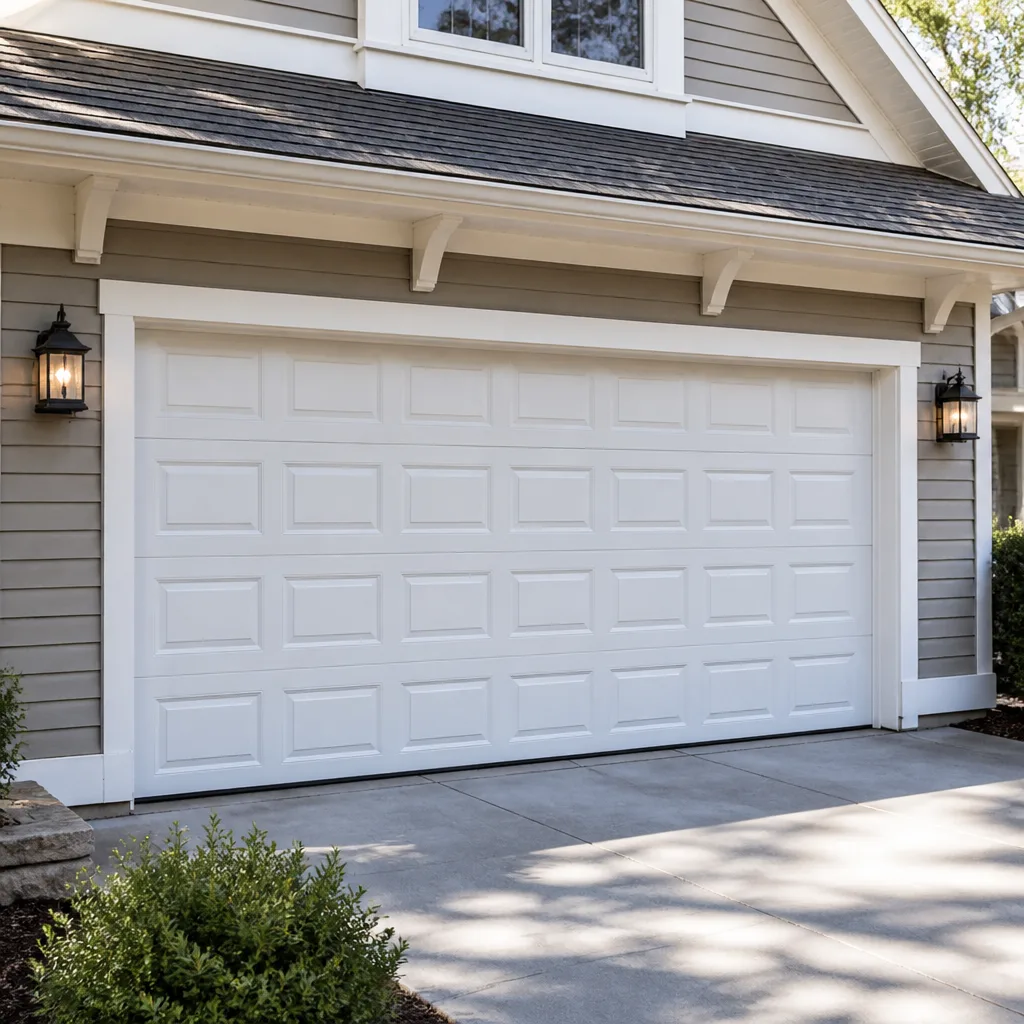 Raised-panel steel
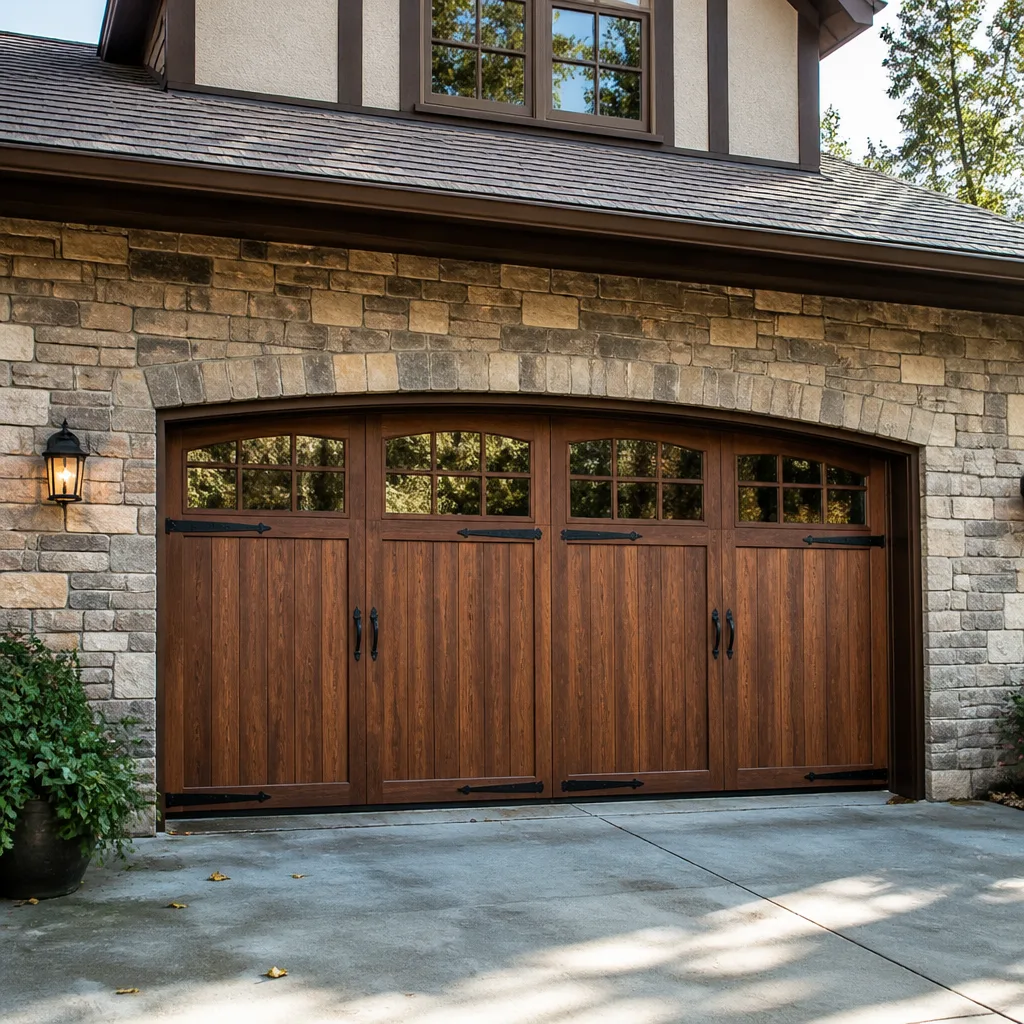 Carriage house
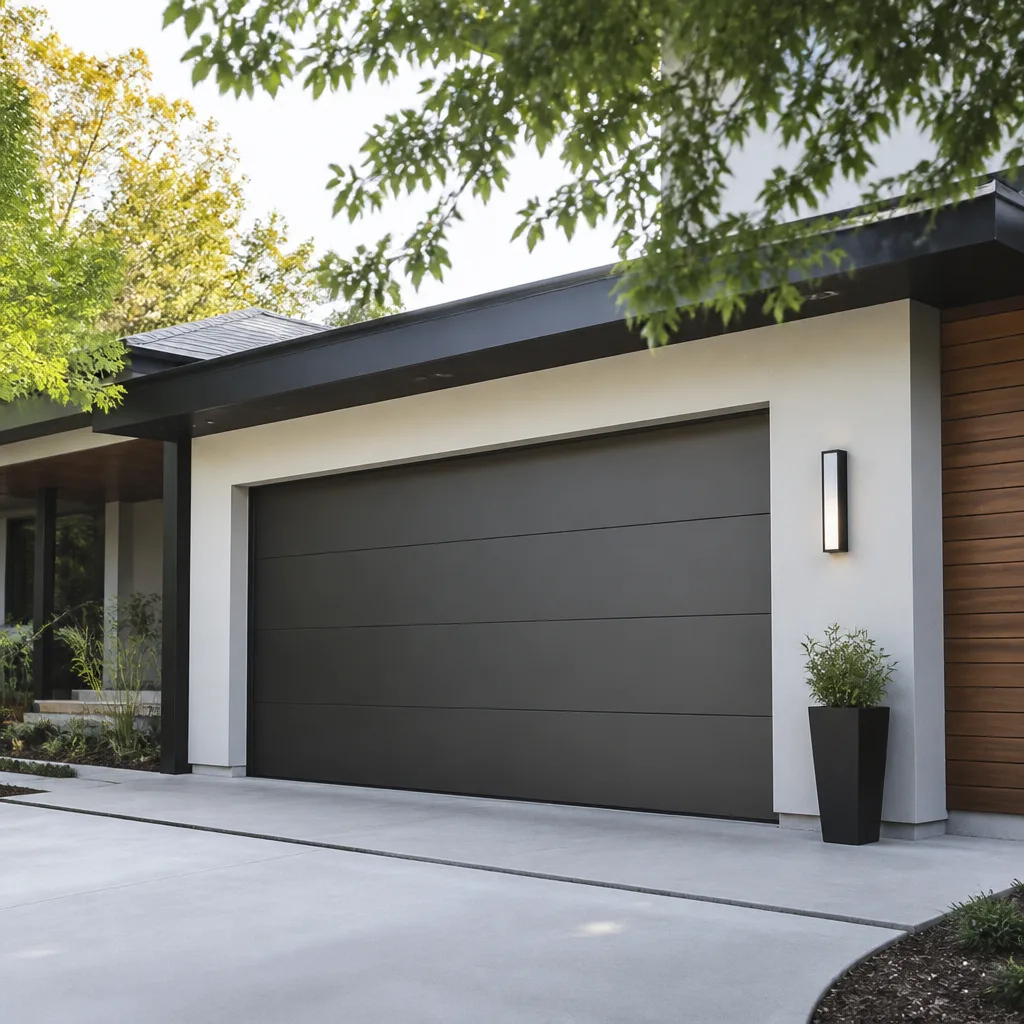 Modern flush
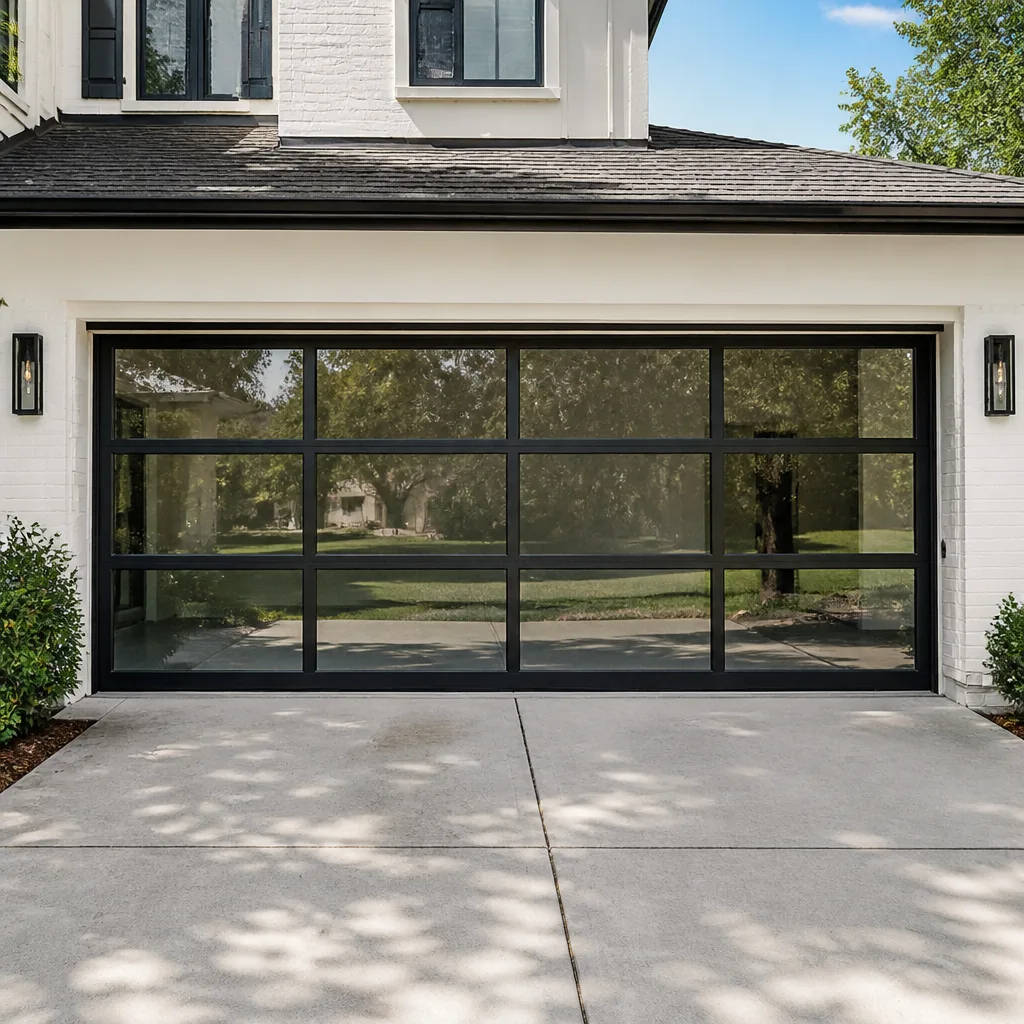 Full-view glass
 LiftMaster openers
 Chamberlain openers
Full 25-point door and opener safety check with every visit - springs, cables, rollers, tracks, and your LiftMaster or Chamberlain opener included
You get a price before we start. It does not change when the pro arrives.
Get your free estimateGarage Door Warning Signs: A Meriden Homeowner’s Reference Guide
Most homeowners treat every garage door symptom the same way: they wait, they listen to it get worse, and then they call when something finally breaks. That approach misses the whole point of warning signs. The trick isn’t noticing that your door is making noise. It’s knowing which noise means you have a month to schedule a repair and which noise means you should stop running the door today, before a panel buckles or a spring lets go. A door that reverses before it closes is a good example: it’s usually a sensor alignment problem, but in some cases it’s the opener’s force limiter picking up on a real mechanical bind that will damage the door, track, or opener within days if you override it. This guide draws those lines for Meriden homeowners, failure mode by failure mode.
Quick Answer
Garage door warning signs fall into three tiers. Green signs, like light squealing or a single slow spot, mean monitor and lubricate. Yellow signs, like grinding, popping, or a door that’s slow to open, mean schedule repair within 30 days. Red signs, like a snapped spring, a frayed cable, or a door you can lift by hand with the opener disengaged, mean stop using the door and call a technician today. The tier matters more than the symptom itself, because treating a yellow sign as green is what turns a spring replacement into a full door replacement.
Styles & brands we work with
- Raised-panel steel
- Carriage house
- Modern flush
- Full-view glass
- LiftMaster openers
- Chamberlain openers
Table of Contents
- How the Green, Yellow, and Red Warning System Works
- Sound-Based Diagnosis: Grinding vs. Popping vs. Rattling
- Why a Slow-Opening Door Is Usually a Spring Problem, Not an Opener Problem
- Cable Wear You Can Only See From Inside the Garage
- The Panel Stress Sign That Precedes Steel Door Failure
- Spring Warning Signs and Why They’re the Most Serious
- Opener Warning Signs Across LiftMaster, Chamberlain, and Genie Systems
- What Meriden Winters Do to Your Door and When to Check
How the Green, Yellow, and Red Warning System Works
Every warning sign has a severity tier, and the tier depends on what’s failing, not how loud the symptom is. A quiet rattle can be red if it’s a loose spring anchor. A loud squeal can be green if it’s a dry roller. Homeowners who learn the tier system stop guessing at urgency and start making decisions about when to call.
Here’s how the tiers break down across the eight most common failure indicators:
- Green (monitor and lubricate): Light squealing from rollers, a faint rattle at the top of the cycle, minor vibration on the opener rail, and one section of track that’s slightly bent but not interfering with the door’s travel.
- Yellow (schedule repair within 30 days): Grinding metal-on-metal noise, a popping sound at the start of travel, a door that hangs for a second before moving, uneven gaps at the bottom seal, and predictable reversing at the same spot every time.
- Red (stop using the door, call today): A visible gap in a wound spring, a frayed or kinked cable, the door lifting with one hand when the opener is disengaged, the door slamming down the last few inches, or a horizontal crack across a steel panel near the hinge line.
In Meriden, the tier of a symptom can change with the season. A door that’s only slightly balky in July can grind in January, because the cold contracts the metal and thickens the grease in the opener rail and rollers. If a symptom that was green in September is yellow by December, that’s the weather rewriting the urgency, not the door getting worse on its own. Treat it as yellow and schedule the repair before the coldest stretch of the year.
A note on that last point: we’ve seen plenty of Meriden doors where a homeowner waited through two winters on a yellow symptom and then needed the door replaced, not just the spring or roller. The 30-day window on yellow signs isn’t arbitrary. It’s roughly how long a marginal component survives once it starts failing visibly.
Sound-Based Diagnosis: Grinding vs. Popping vs. Rattling
Your ears are the most useful diagnostic tool you have, provided you know what each sound implicates. The four most common garage door noises point to four different components, and confusing them means paying a technician to guess. Here’s the breakdown:
Grinding
Grinding is metal-against-metal, and it almost always comes from the rollers or the track. When a roller’s bearings wear out, the wheel stops spinning freely and drags along the track instead. The same grinding sound can come from a bent track that’s pinching the roller in one spot through every cycle. Grinding is yellow tier: it accelerates wear on the rollers and track with every use, but it doesn’t fail catastrophically mid-cycle.
Popping
Popping at the start of the door’s travel is the sound of a spring under uneven tension. On a torsion spring system, popping can indicate a spring that’s lost some of its torque or a cable that’s slipping. On an extension spring system, popping can be the spring catching on itself. Popping is also possible from a loose hinge plate, but that’s quieter and more rhythmic. Popping is yellow-to-red: if the pops are frequent and loud, treat them as red and stop cycling the door.
Rattling
Rattling is usually the loosest, least urgent sound. Loose hinge bolts, a worn opener chain, or a vibrating opener rail cover all rattle. The one rattling pattern that’s not green: a rattle localized to the top of the door, near the spring anchor plate. A loose anchor plate holds the torsion spring’s entire torque load, and a rattle from that location is red tier.
Squealing
Squealing is almost always lubrication. Dry rollers, a dry torsion spring, or dry hinges all squeal. Squealing is green tier: quiet the noise with a proper garage door lubricant, not a general-purpose grease, and check again in a month. If the squeal returns within a week, the roller is worn and needs to be replaced.
Sound is also your best early warning on a door that’s otherwise working normally. If you’ve lived in the same Meriden house for years and the door suddenly sounds different, that change is the warning sign. Keep a mental baseline of what your door normally sounds like on a quiet morning.
Why a Slow-Opening Door Is Usually a Spring Problem, Not an Opener Problem
When a garage door starts moving slowly, most homeowners assume the opener is the culprit. In our experience, that’s backwards. On a properly balanced door, the springs carry most of the door’s weight, and the opener only has to overcome friction and give the door a nudge. If the door is slow, the springs are usually not doing their job, and the opener is working much harder than it was designed to.
Here’s how to tell the difference before you call anyone:
- Disconnect the opener using the emergency release cord (it hangs from the trolley on the rail). Make sure no one is under the door.
- With the door in the down position, lift it by hand about waist high. A balanced door should feel like it weighs about as much as a full trash can and should hold its position when you let go.
- If the door feels extremely heavy, won’t hold its position, or drops when you release it, the springs have lost tension. That’s a spring problem, not an opener problem.
- If the door feels balanced and still runs slowly with the opener engaged, the opener motor, drive gear, or limit settings may be the cause.
- Reconnect the opener by pulling the release cord back into the trolley and running the door one full cycle to confirm.
The reason misdiagnosis matters isn’t just money. Replacing an opener on a door with weak springs means the new opener works just as hard as the old one, and the weak springs keep getting worse. In Meriden, where doors run through cold winters and hot humid summers, the spring tension drift is seasonal and easy to miss because the change is gradual. If your door has been moving slower every month and you assumed the opener was aging, the diagnosis is probably wrong.
If you’ve already checked the balance and the door moves freely but the opener still stumbles, that’s the point to look at a garage door opener repair. LiftMaster and Chamberlain openers both have onboard diagnostics that a technician can read to confirm whether the motor, capacitor, or logic board is at fault before anything gets replaced.
Cable Wear You Can Only See From Inside the Garage
Cable wear is the most under-diagnosed warning sign on residential garage doors, because the visible signs only show up from one spot most homeowners never stand in. The cables are the steel braided lines that run from the bottom corners of the door up to the spring anchor plate. From outside, they’re hidden behind the track. From inside, at a shallow angle from the center of the garage looking toward each bottom corner, you can see the full cable run.
Here’s what to look for from that angle:
- Fraying: Broken strands sticking out of the cable’s braid. Even one broken strand means the cable is compromised and should be replaced.
- Kinks: A cable with a sharp bend in it has been pulled under uneven tension and will eventually snap at the kink.
- Rust streaks: If the braided cable looks discolored compared to the other side, moisture is getting in. In Meriden, cables on doors with a sun-facing wall and a wide temperature swing between day and night show this pattern more often.
- Sagging at the drum: The cable should wrap evenly onto the drum at the top of the track. Loose or crossed windings mean the drum or the spring has a problem, and the cable is stressed as a result.
- A cable that’s gone slack: With the door fully down, both cables should be under mild tension. A slack cable is red tier because it can slip off its drum mid-cycle and drop the door.
Cable inspection is red-tier work once you find something. Don’t touch the cable, and don’t try to re-tension it. The cable is holding a load that the spring stores, and releasing the wrong thing can send the cable or spring hardware moving at speed. This is the reason we treat garage door spring repair and cable repair as a single safety-critical service rather than separate line items: on a torsion system, they share the same torque load.
The Panel Stress Sign That Precedes Steel Door Failure
The one warning sign that always shows up before a steel panel fails under Meriden winters is a horizontal crease or line of rust staining across the panel face, most often on the bottom two sections, just above a hinge line. The crease doesn’t look dramatic. It’s a slight bend or a chalky line where the paint has flexed and cracked. But that crease is where the panel is absorbing stress from the door’s total weight, and once the crease forms, the panel is on a clock.
Here’s what causes it in this part of Connecticut. Meriden winters swing the temperature across the freezing line repeatedly from December through March. Every one of those swings causes the steel panel to expand and contract. Ice and snowmelt get into the tiny seam where the hinge bolts to the panel, speed up the corrosion there, and weaken the attachment point. The panel is doing a structural job, not just a cosmetic one, and once the hinge seam weakens, the panel flexes every time the door cycles. That flex becomes a crease within a few months.
How to check for panel stress:
- With the door about halfway up, stand back four or five feet and look across the panel faces at an angle, watching for any panel that looks slightly bowed compared to its neighbors.
- Follow the hinge lines with your eyes and look for any line of rust or paint cracking running horizontally across the panel.
- Tap the panel near each hinge with your knuckle. A dull thud versus a sharp ping means the metal is stressed or already damaged.
- With the door closed, check the bottom seal. A panel that’s warped will leave a visible gap on one side.
If a Meriden door shows the crease sign on a Clopay or Amarr panel, the fix is usually that section, not the whole door. Panels for these brands are available through the manufacturer, and a technician who works with those brands can match the panel to the existing color and profile. Waiting turns a section replacement into a full-door replacement, which is why the crease sign is yellow tier and rising toward red as the rust line spreads.
Spring Warning Signs and Why They’re the Most Serious
Springs are the most dangerous part of your garage door system. They store enough energy to lift a door that weighs hundreds of pounds, and when a spring fails, it releases all of that energy at once. This isn’t a component you should ever inspect with your hands or try to adjust yourself. A trained technician uses the correct winding bars and knows how to release stored torque safely.
Recognizing the warning signs is safe and useful. Fixing them isn’t. Here’s what to watch for:
- A visible gap in the winding on a torsion spring: A torsion spring should be a tight, even coil. A visible gap means part of the coil has broken. Red tier.
- A stretched extension spring: Extension springs stretch over time and should be replaced when they’re noticeably longer than their original length. Old extension springs without a safety cable are especially hazardous because a snapped spring can go flying.
- A loud bang from the garage: The classic sign of a broken torsion spring. If you hear it and the door suddenly feels extremely heavy, stop using the door.
- A door that’s heavy to lift but still operates: Weak spring tension shows up as a door that’s slow, sluggish, or won’t hold position when disconnected from the opener.
- A spring that’s rusted or painted over: Corrosion and paint thickness both change how a spring performs, and a rusted spring can fail without warning.
Spring pricing is per spring, not per pair. A matched pair is usually replaced together because springs on the same door wear at the same rate, so the second spring is close behind. If you’re getting quotes, ask whether the price is for one spring or both, because that’s the difference between a routine repair and a surprise.
Emergency calls about springs are the most common reason homeowners contact us in Meriden after a loud noise from the garage. Our technicians have up to 11 years of experience with spring replacement across torsion and extension systems, and they’ll confirm the style and size before ordering a replacement. If your door won’t open, or if you’ve heard a crack and the door has stopped working, treat it as a red sign and call a professional before touching the door.
Opener Warning Signs Across LiftMaster, Chamberlain, and Genie Systems
Opener symptoms look like door symptoms and often aren’t. The most misdiagnosed opener sign is a door that reverses before fully closing: about 80% of the time it’s a sensor alignment issue, and the other 20% it’s the opener’s force limiter detecting a real mechanical obstruction. That difference matters, because overriding the limiter to make the door close masks the actual problem and accelerates wear on the door, track, and opener.
Here are the opener warning signs worth knowing, tiered:
- Green: A blinking LED on the opener unit after a cycle, which on most LiftMaster and Chamberlain models is a diagnostic code you can look up in the manual. A remote that needs intermittent battery replacement.
- Yellow: The opener reverses predictably at the same spot every cycle. This can be sensor alignment, but predictable reversing at the same location usually means a mechanical bind, not a sensor problem. The opener runs, then strains, then reverses.
- Yellow: The door only partially opens or closes. Limit switch settings have drifted, or the opener is straining against a door with weak springs.
- Red: The opener runs but doesn’t move the door at all (drive gear stripped, or the door is disconnected). The opener hums but doesn’t run (capacitor or start circuit failure). A burning smell from the opener housing.
LiftMaster and Chamberlain openers with MyQ connectivity also push app alerts when the door detects obstruction or fails to close. If you’ve been ignoring those alerts, they’re worth reading. Genie openers with chain or belt drives throw different failure patterns than screw-drive models, and the correct diagnosis depends on the drive type, which is why “opener repair” as a single category isn’t always helpful. A technician who works on the specific brand and drive type diagnoses faster than one who sees the symptom and starts guessing.
When the opener is the confirmed problem, an opener repair call is often the fastest path back to normal. If the motor is fine but the controller is failing, sometimes a new opener is the better call, especially on doors where the door and springs are in good shape and the rest of the system has plenty of life left. The rest of the system is the important part: an opener replacement on a door with weak springs is money wasted.
What Meriden Winters Do to Your Door and When to Check
Meriden winters compress a lot of wear into a short window. The freeze-thaw cycle from December through March stresses hinges, cables, and panels harder than any other season, and the effects don’t show up until the door is already compromised. The best time to inspect is late fall, before the first hard freeze, and again in early spring, once everything has thawed. Late fall inspections catch problems before the cold makes them worse; early spring inspections catch damage the winter caused.
A short annual checklist worth doing each fall:
- Lubricate rollers, hinges, and the torsion spring with garage door lubricant. Not WD-40, which is a solvent and will strip what’s there.
- Disconnect the opener and test the door balance by hand. If the door is heavy or won’t hold position, call for spring repair before the season turns.
- Look at the cables from inside the garage at the shallow-angle position. Check for fraying, kinks, or rust.
- Look for panel stress lines across the bottom two sections, especially near the hinge seams.
- Clear snow and ice from the bottom seal where it meets the driveway, and check that the seal isn’t frozen to the slab before you run the door.
- Test the safety sensors by putting a box in the door’s path and confirming the door reverses.
In Meriden neighborhoods with wider driveways and sun exposure, the thaw cycle happens faster, and doors on those homes tend to develop panel stress lines earlier than doors on shaded driveways. If your garage faces south, watch for the crease sign every fall, not just when something looks wrong.
One seasonal warning sign that’s specific to cold weather: a door that works fine on a warm afternoon but grinds or stalls on a cold morning. Cold thickens lubricant and contracts metal, and if the door is marginal in mild weather, it will fail in the cold. Treat that specific symptom as yellow tier and get the door serviced before the next freeze.
If any of this is unfamiliar, or if you’d rather have a technician look at the whole system once a year, we can do a full inspection and give you a written list of what needs attention now versus what can wait. That’s the kind of check that keeps a Meriden door running without emergency calls.
Common Mistakes to Avoid
- Overriding the force limiter to “fix” a reversing door. Reversing is a safety feature, not a fault. Overriding it when the real issue is a mechanical bind means every cycle strains the door, track, and opener, and the fix turns from a sensor adjustment into a full opener replacement.
- Replacing the opener when the springs are the problem. A slow door is usually a spring issue. If you install a new opener on a door with weak springs, you’ve paid for a component that’s working harder than it should, and the original problem remains.
- Trying to tighten or replace a spring yourself. Springs store enough torque to break bones. There is no safe homeowner version of this repair, and the hardware is under tension even when the door is down.
- Ignoring a thin horizontal line of rust near a hinge in Meriden winters. That line is the panel stress sign. Waiting on it means the section replacement turns into a full door, which costs far more and takes longer than the section repair would have.
- Using WD-40 on rollers and springs. It’s a solvent, not a lubricant. It strips existing grease, and the door rattles and squeals worse within a week.
- Never checking the cables from inside the garage. The sign that matters most, fraying or kinking, is only visible at a shallow angle from inside the garage. A door can pass every outside check and still have a failing cable.
- Skipping the fall inspection because the door still works. A door that “still works” in October can fail in January, because the cold turns marginal components into broken ones. The fall check is the cheapest repair you’ll ever do.
See the difference
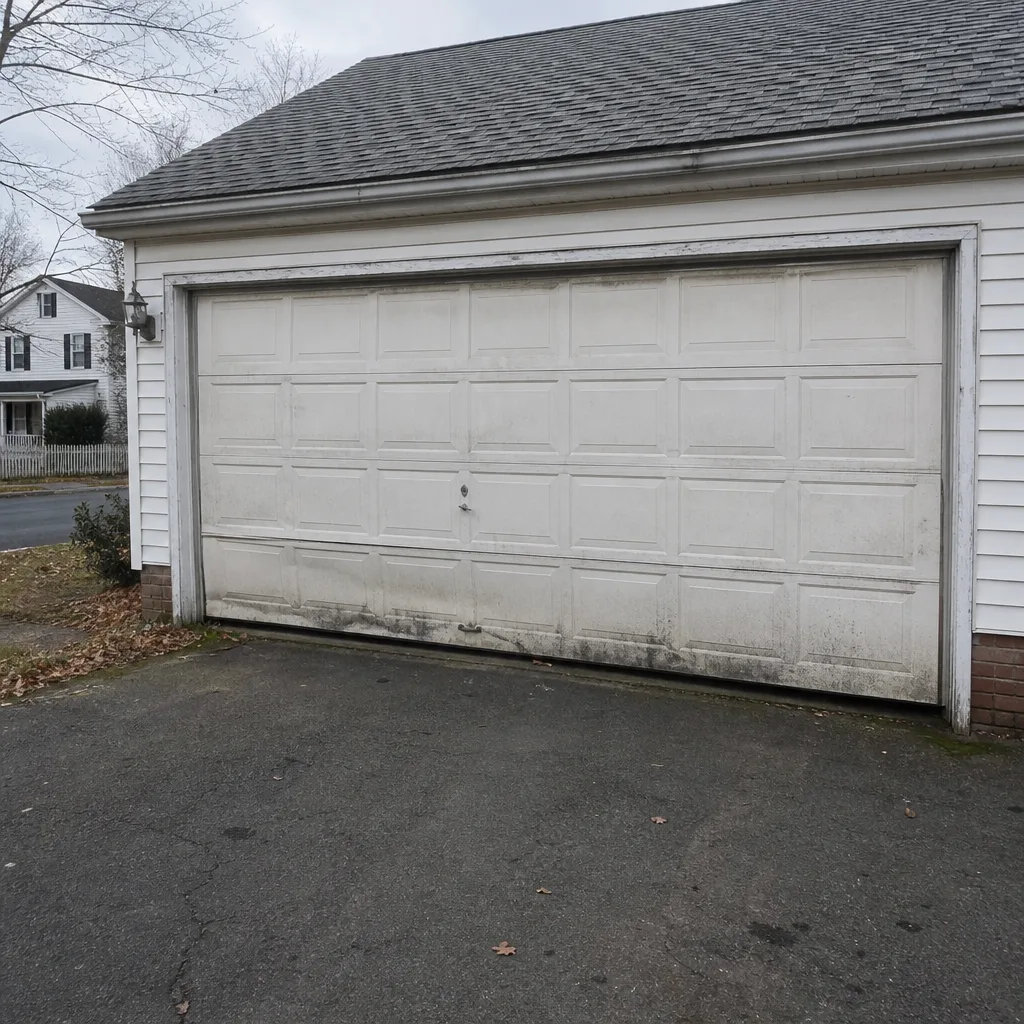 Before
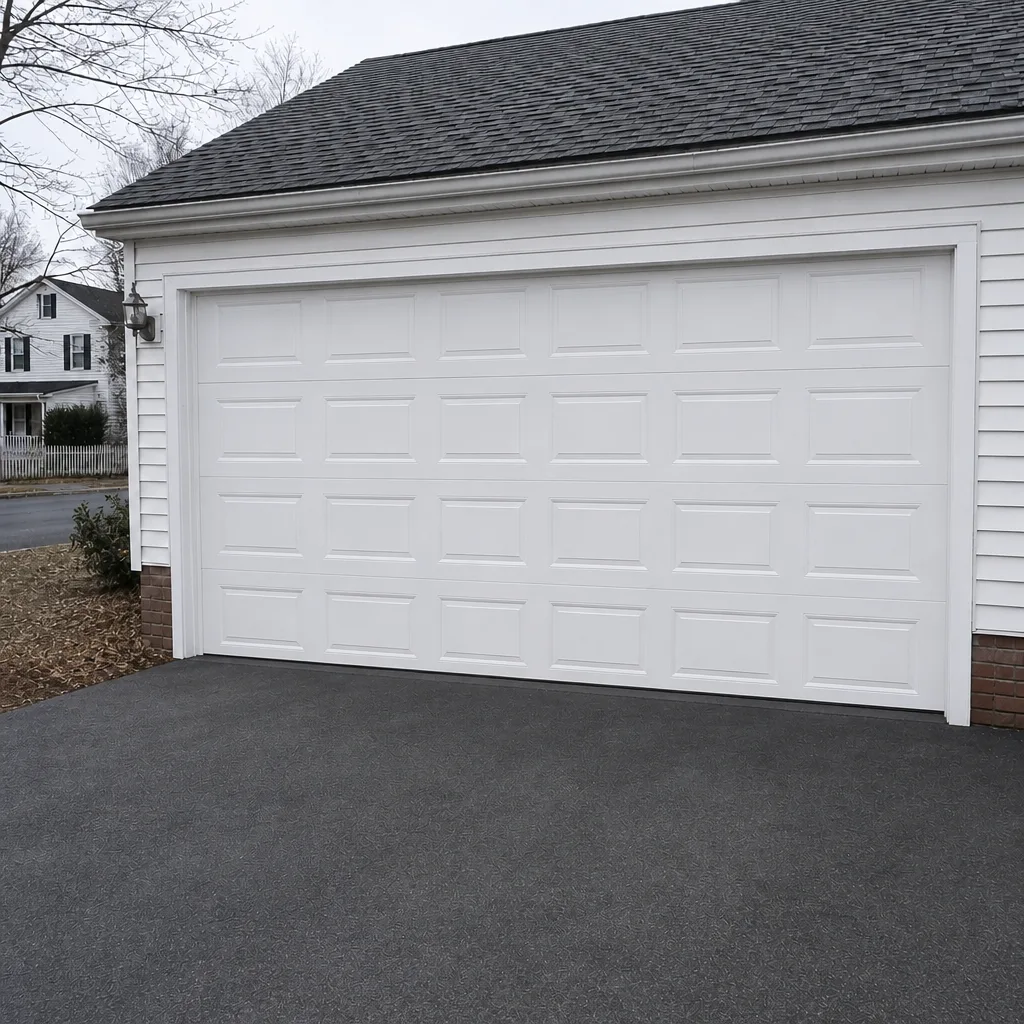 After
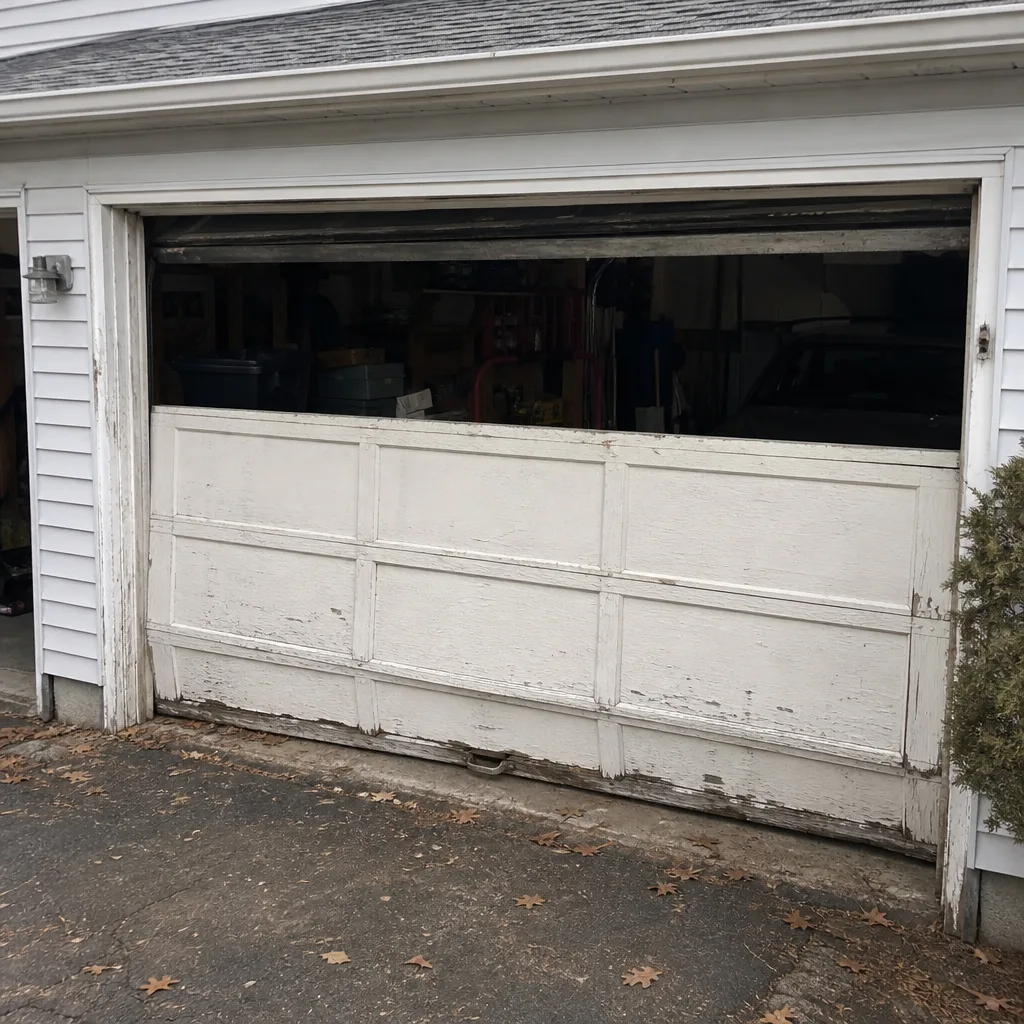 Before
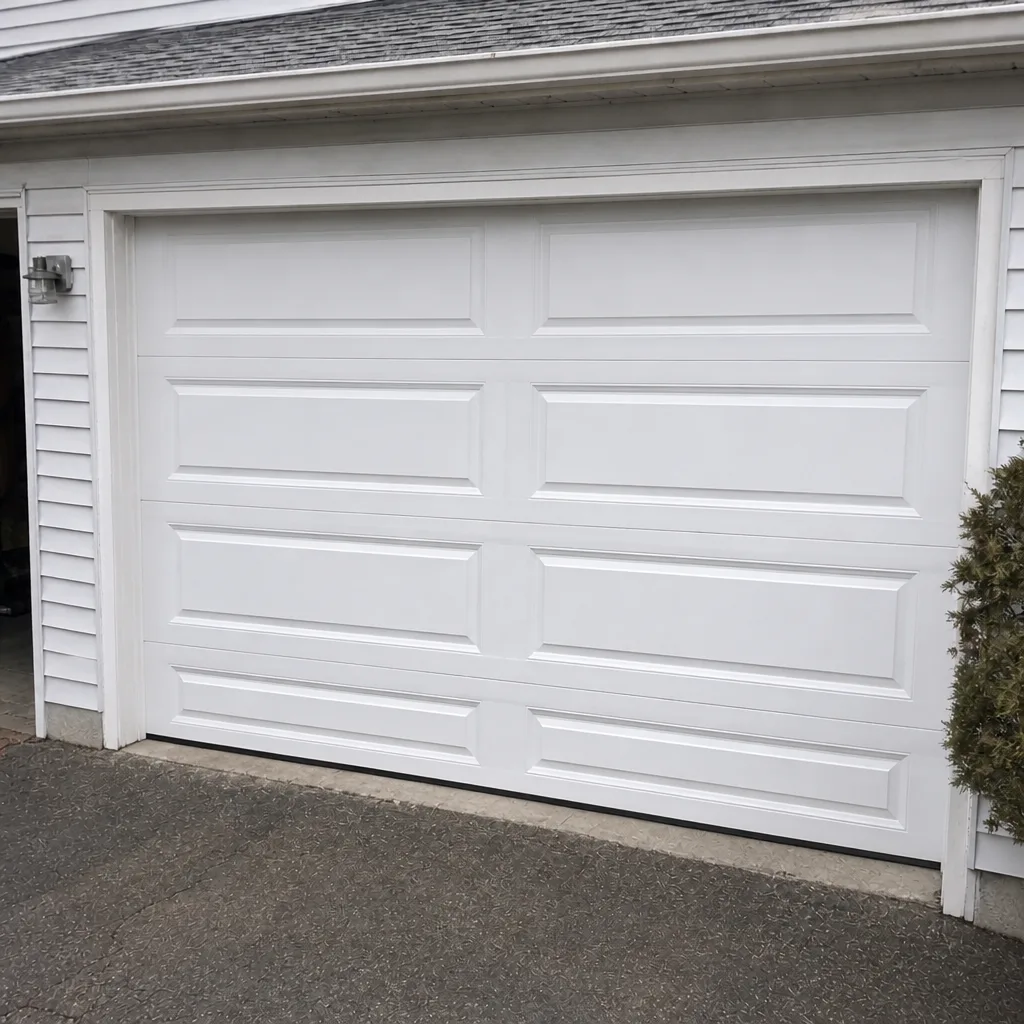 After
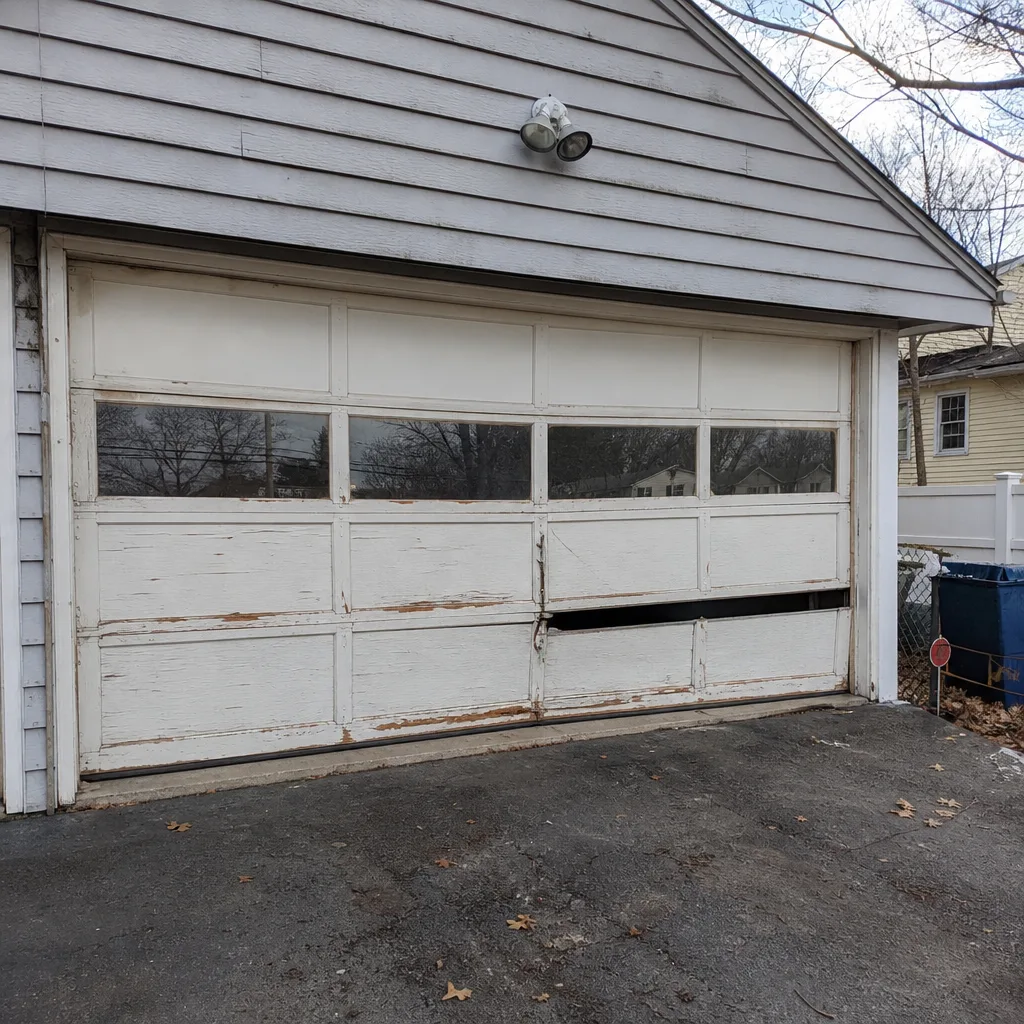 Before
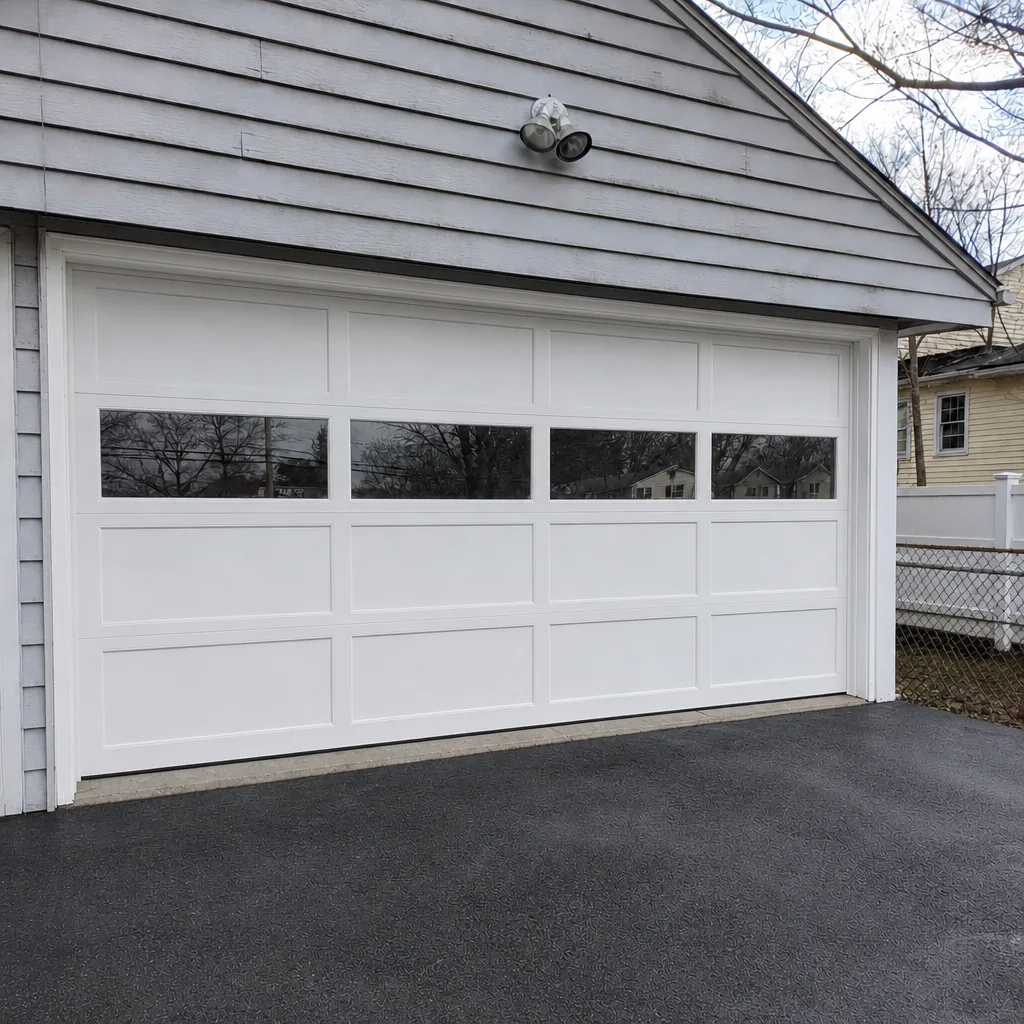 After
When to Call a Professional
Call a professional the moment you see a red-tier sign: a broken spring, a frayed cable, a door that lifts by hand with the opener disengaged, a slammed door, or a panel with a creeping stress line. Also call if the door reverses unpredictably, if the opener runs but doesn’t move the door, or if a Meriden door has been yellow-tier for more than a month. The safety margin on a garage door is small, and a component that’s failing slowly can fail suddenly. For any of these, step back from the door and call. Meriden Garage Door Repair Pros offers free estimates in Meriden, and our technicians have up to 11 years of experience diagnosing spring, opener, cable, and panel issues across the major brands. Call (855) 294-4551. We answer 24/7. Fast dispatch from 7am to 7pm, Sunday through Friday.
Frequently Asked Questions
The red-tier signs are the most serious: a visible gap in a torsion spring, a frayed or slack cable, a door you can lift by hand with the opener disengaged, and any panel that shows a horizontal stress crease. If you see any of these, stop using the door and call a professional. A garage door carries serious stored energy, and these signs mean the door is no longer safe to operate.
Most of the time it’s a sensor alignment issue, so start there. Confirm both safety sensors have a clear line of sight to each other, no dirt on the lenses, and no sunlight hitting the receiver directly. If the door still reverses, and especially if it reverses at the same spot every cycle, treat it as a mechanical bind and stop using the door. Call (855) 294-4551 for a diagnosis before the bind damages the door or opener.
Garage door repair in Meriden depends on the component. A roller or hinge replacement is typically the least expensive repair, a spring replacement is a bigger job because springs are sold per spring and usually replaced as a pair, and an opener repair varies by drive type and part. We quote every job in a written estimate before any work starts, so the price you agree to is the price. Call (855) 294-4551 for a free estimate.
No. We inspect the door and give you a written estimate before we start any work, and the price is quoted and agreed before a technician begins. If the problem turns out to be bigger than the phone call suggested, we explain the additional work and get your approval before proceeding. Call (855) 294-4551. Estimates are free.
Yes, for emergent situations like a snapped spring, a trapped car, or a door that’s come off its track. We answer 24/7 and dispatch technicians for same-day service. A call outside dispatch hours is booked into the next opening, Sunday through Friday, 7am to 7pm. Call (855) 294-4551 to schedule.
The local professionals we connect you with are licensed and insured as Connecticut requires, and they’re vetted before we send them to your home. Our technicians have up to 11 years of experience, and they work on the specific brand of door or opener you already have. Call (855) 294-4551 to talk through your system.
We service garage doors and openers from LiftMaster, Chamberlain, Genie, Clopay, Amarr, Wayne Dalton, Craftsman, and Raynor. That range covers most residential systems in Meriden, so the technician who arrives can diagnose and repair your door or opener without waiting on a brand-specific part from a dealer. If you’re not sure what brand your door or opener is, our garage door repair team can identify it during a service call.
The Bottom Line
Garage door warning signs only help if you know which ones mean “wait” and which mean “stop.” The green, yellow, and red tier system gives you a framework: green means lubricate and monitor, yellow means schedule repair within 30 days, and red means stop using the door and call today. The signs that most often go undiagnosed in Meriden are the ones you can only see from inside the garage at a shallow angle (cable wear) or the ones that look cosmetic until they’re structural (panel stress lines near the hinges). If your door is making a new sound, moving slower than it used to, or showing a symptom you can’t tier confidently, the safest move is a diagnosis before a repair becomes a replacement. Call Meriden Garage Door Repair Pros at (855) 294-4551 for a free estimate. We answer 24/7. Fast dispatch from 7am to 7pm, Sunday through Friday.
Written by the team at Meriden Garage Door Repair Pros.