
Last updated November 21, 2026
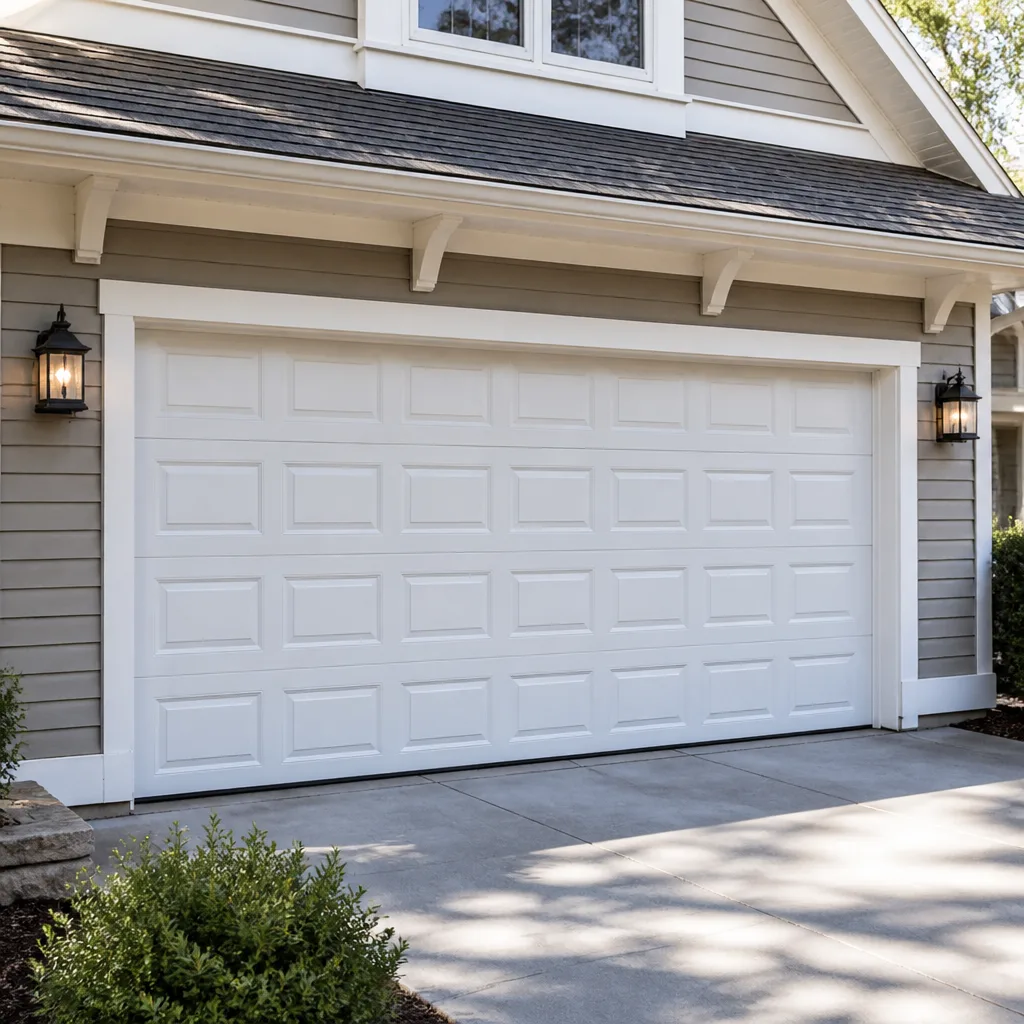 Raised-panel steel
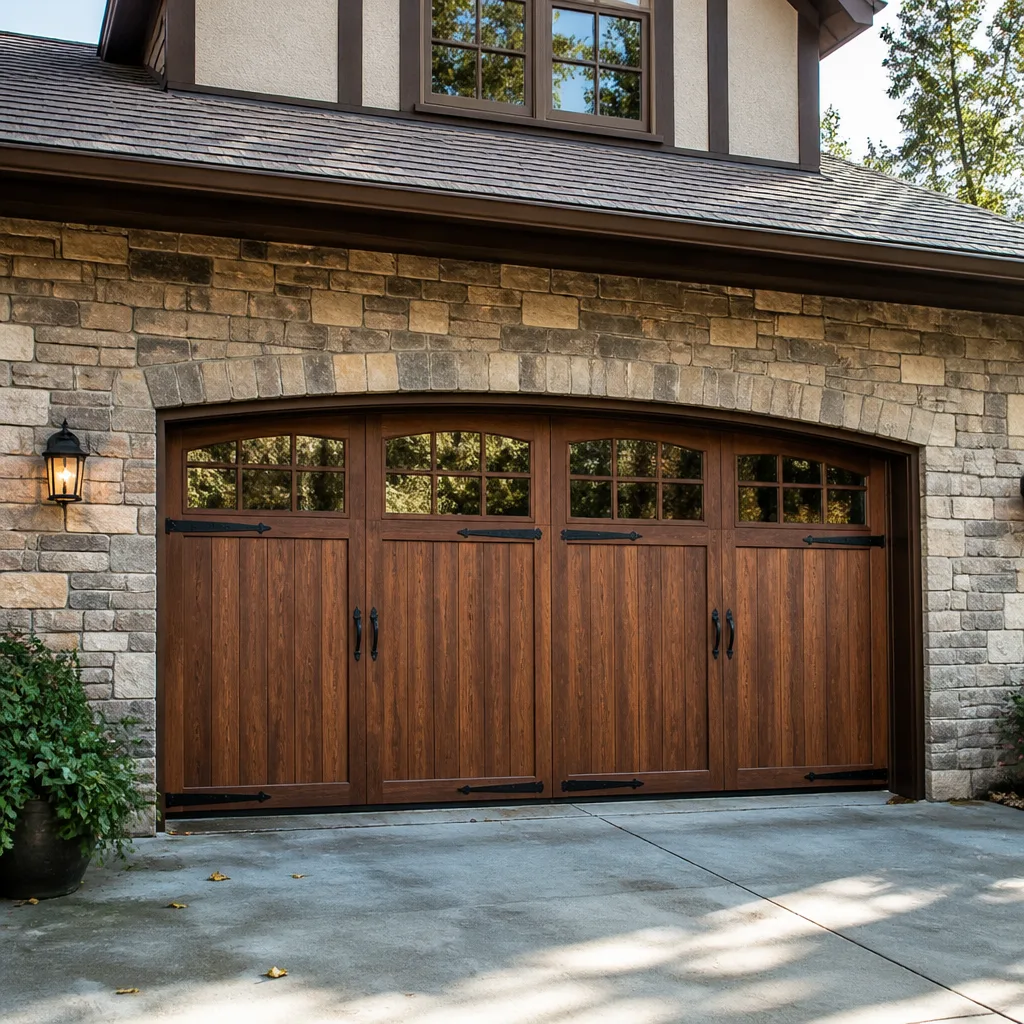 Carriage house
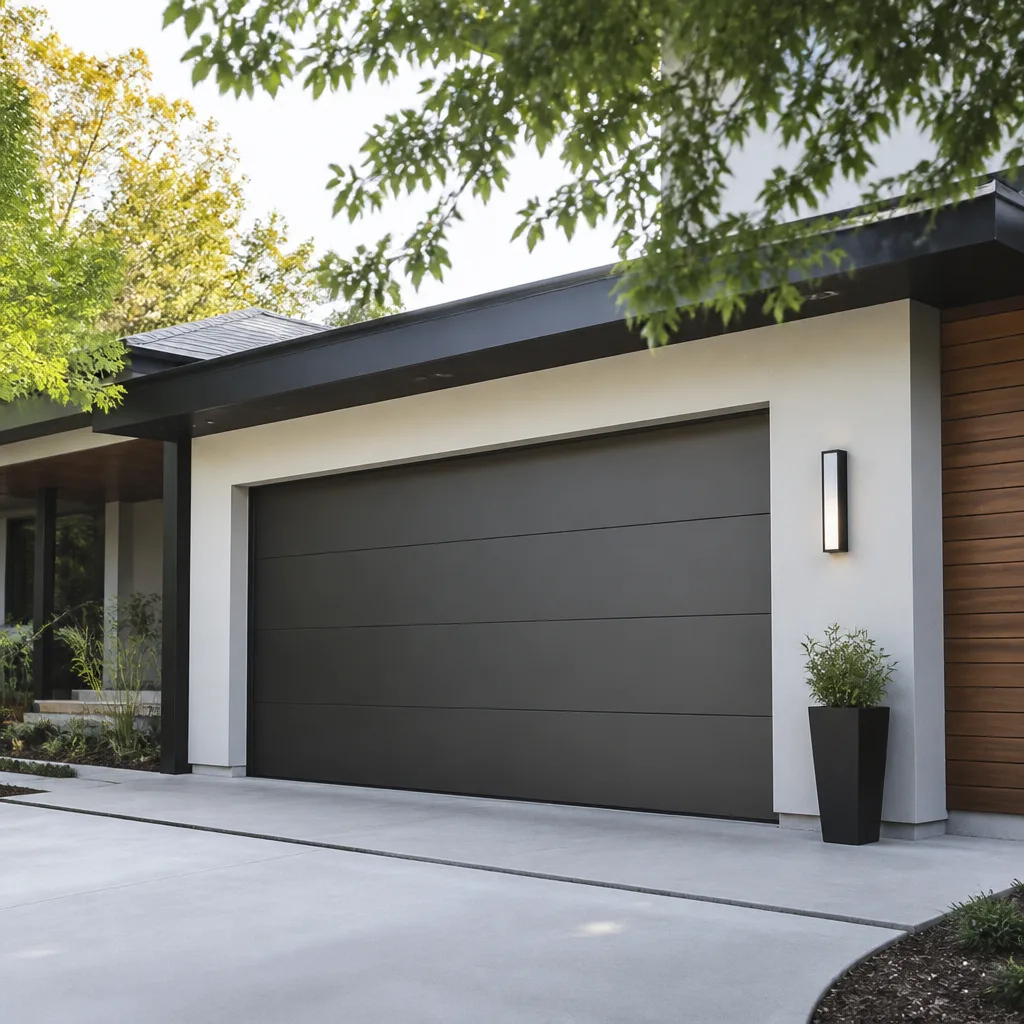 Modern flush
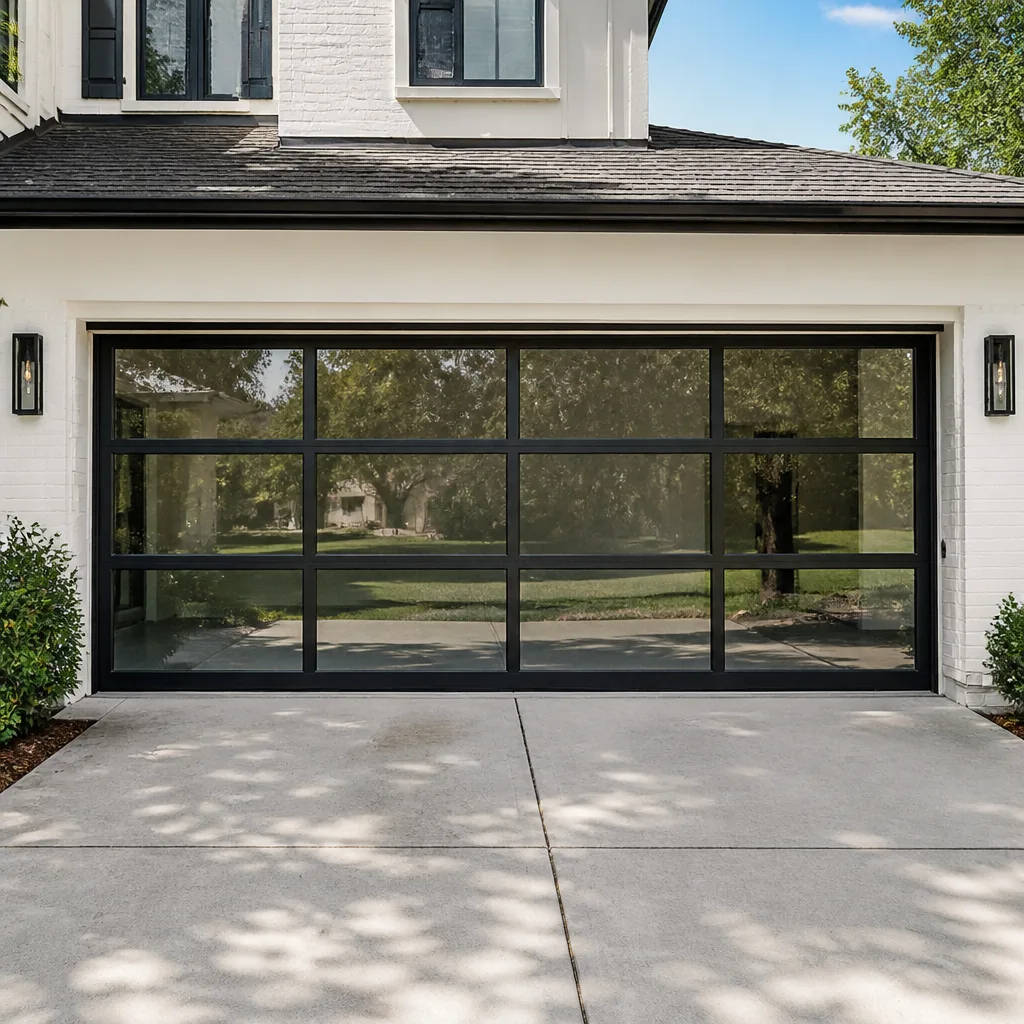 Full-view glass
 LiftMaster openers
 Chamberlain openers
Full 25-point door and opener safety check with every visit - springs, cables, rollers, tracks, and your LiftMaster or Chamberlain opener included
You get a price before we start. It does not change when the pro arrives.
Get your free estimateGarage Door Emergency Preparedness Guide for Meriden Homes
Most homeowners think of a garage door emergency as a broken spring or a dented panel. In our experience, the harder problem is the one nobody prepares for: a power outage, a dead opener, or a door that has come off its track, and the owner has no idea how to release the door by hand. That single skill turns a two-hour lockout into a five-second fix. This guide walks through the manual release procedures for chain, belt, and screw drive openers, how to secure a door when a spring fails, what to leave alone after a cable snaps, how to read storm damage, and how to build a 10-minute emergency kit. It’s written for Meriden homeowners who use their garage as the main door to the house.
Quick Answer
Garage door emergencies in Meriden usually fall into four patterns: late-winter spring failures, storm-driven track damage, power-outage lockouts where the opener won’t release, and cable snaps. Knowing three manual procedures before something breaks – the manual release, how to brace a door with a failed spring, and how to spot unsafe storm damage – resolves most of these in minutes. Spring, cable, and track repair should always be handled by a trained professional. Call Meriden Garage Door Repair Pros at (855) 294-4551 with the model number and door width ready, and we can book you fast.
Styles & brands we work with
- Raised-panel steel
- Carriage house
- Modern flush
- Full-view glass
- LiftMaster openers
- Chamberlain openers
Table of Contents
- The Three Manual Procedures Every Meriden Homeowner Should Know
- Manual Release by Opener Type: Chain, Belt, and Screw Drive
- Broken Spring in the Open Position: How to Secure the Door Safely
- The First 15 Minutes After a Cable Snap
- Storm Damage Triage: When a Bent Track Is Safe to Operate
- Building a 10-Minute Garage Door Emergency Kit
- How Garage Door Failures Show Up in Meriden
- Can You Get Emergency Garage Door Service in Meriden Today?
The Three Manual Procedures Every Meriden Homeowner Should Know
In our experience, the calls that could have been avoided are almost always the same three. A homeowner calls in a panic because the car is trapped, the house is open, or the door is stuck halfway. Usually, one of three procedures would have handled it in under a minute.
Procedure one: the manual release. Every residential opener in Meriden has some form of emergency release – usually a red or yellow cord hanging from the carriage. Pulling it disconnects the door from the opener so you can lift it by hand. That’s the fix for a power outage, a burnt-out motor, or an opener that has slipped its limits.
Procedure two: bracing the door with a broken spring. When a torsion spring snaps, the door becomes unbalanced – it may feel weightless in one direction and dangerously heavy in the other. Knowing how to prop the door safely until a technician arrives is the difference between a waiting period and a crash.
Procedure three: reading storm damage. A bent track or a panel pushed out of alignment is not always obvious. Learning to spot the two or three signs that a door is unsafe to run on its own prevents most secondary damage from a storm-impact door.
None of these procedures involve touching the springs, cables, or drums. Those parts are under extreme tension and should never be adjusted by anyone without training and the right tooling. Procedures one through three are safety routines, not repairs.
If you’re not sure which part of your system is failing, our Meriden Garage Door Repair Pros team can help you diagnose it over the phone before we book a visit. It’s faster than guessing, and it usually saves a trip.
Manual Release by Opener Type: Chain, Belt, and Screw Drive
The manual release procedure is basically the same across opener types – pull the release to disconnect the door, then lift by hand – but the differences matter once you’re standing in front of your unit with a dead power line. Here’s how each one behaves.
Chain Drive Openers (LiftMaster, Chamberlain, Craftsman)
Chain drive is the most common opener type in central Connecticut homes. The rail above the door carries a metal chain, and a trolley rides on it connected to the door arm. Look for the release cord – usually colored red – hanging from the trolley. Stand to the side, hold the door slightly with one hand, and pull the cord straight down and back toward the opener body. You’ll hear a click. The trolley should now slide freely on the rail. Lift the door manually, and it should stay up on its own if the springs are healthy. If it drops back down, the springs have lost tension.
Belt Drive Openers (LiftMaster, Chamberlain, Genie)
Belt drive uses a reinforced rubber belt instead of a chain, so it runs quieter and needs no lubrication. The release mechanism is usually the same cord-and-trolley design. On some belt drive Genie models, the trolley release is a lever rather than a cord – look for a small metal tab near the trolley. You may need to pull it toward you and slightly down rather than straight down. The rest of the procedure is the same: hold the door, release, lift, and check whether the door stays open.
Screw Drive Openers (Genie, Chamberlain)
Screw drive uses a rotating threaded rod. The release is normally a cord connected to the trolley. The catch on screw drive is that the trolley sometimes stays stuck against the screw if the opener has been parked under tension – pull the cord, then gently push the door a couple of inches toward the opener and back to break it loose. Never force the door; if it won’t release after two pulls, stop and call for service.
What to Do When the Cord Is Pulled but the Door Won’t Move
If you’ve pulled the release and the door still won’t lift by hand, the most likely cause is a broken spring, a snapped cable, or a bent track. A door with a broken torsion spring will feel extremely heavy on the way up and can slam down hard. Stop lifting. Do not pull the door up to “test” it. Prop or block the door in the closed position and call for emergency service.
One additional release point: if the opener runs but the door doesn’t move, the release may not have actually engaged. Check that the trolley is fully disconnected by looking at whether it slides on its own. Sometimes the cord has pulled but the release lever hasn’t flipped.
Broken Spring in the Open Position: How to Secure the Door Safely
Springs are the most dangerous part of your garage door system. A torsion spring holds enough stored energy to injure a person badly, and when one breaks while the door is up, the door is no longer balanced – it’s a heavy panel hanging on cables and whatever is left of the spring. The right move is not to bring it down yourself. It’s to secure the door in place so it can’t come down on anyone, then wait for a technician.
Step-by-step: securing an open door with a broken spring
- Keep everyone clear. Move kids, pets, and cars out from under the door. The door can come down without warning if a cable lets go.
- Do not pull the manual release. If the door is up and the opener is still connected, the opener is holding some weight. Releasing it takes away that safety margin.
- Look for a deadman or prop option. If your door has locking pliers or a C-clamp and a section of track the rollers sit on, you can clamp under a roller to prevent the door from sliding down. This is a temporary measure only.
- Prop the door with a sturdy support. A 2×4 cut to the right length, braced at an angle under the bottom panel (not under a window panel), gives a broken-spring door something to rest on if the cables give.
- Do not close the door by hand. With no spring tension, the door’s weight is not counterbalanced. Letting it down manually can crush a hand or arm.
- Close the opener’s arm connection if possible. If the door is mechanical and the opener still holds it, tape off the wall button so nobody accidentally runs the opener and jams the door.
If you can’t prop the door safely, the next step is to call. Emergency garage door service is built for exactly this – doors stuck in the open position, traps, or unsecured openings. We work on the LiftMaster, Chamberlain, Genie, Clopay, Amarr, Wayne Dalton, Craftsman, and Raynor systems common in Meriden homes, and our garage door spring repair team handles torsion and extension springs as a dedicated specialty.
The blocked-open-door situation is common enough that we suggest doing a quick dry run on your own door once, with no spring broken, so you know which panel to brace and where the rollers sit. That 30-second rehearsal is worth more than any emergency kit.
The First 15 Minutes After a Cable Snap
A cable snap sounds like a gunshot in the garage, followed by a heavy clang. The door usually drops a few inches and then stops, or it slams down and doesn’t come up. The first 15 minutes after a cable snaps matter more than the next 15 hours, because the two most common secondary failures – a door falling off its track and a person getting cut by a whipping cable – happen in those first few minutes.
What to do
- Step out of the path of the door. Stand to the side, not under it. If the door is partially down, keep everyone out of the opening.
- Do not try to lift the door by hand. A snapped cable means the door’s lift support on that side is gone. Lifting can twist the door off the track or drop it.
- Do not pull the manual release. The opener is the only thing keeping some doors from dropping the rest of the way. Leave it connected.
- Do not run the opener. Unplug it or flip the breaker if you can reach it safely, and tape over the wall button. Running the opener with a snapped cable can pull the door further off track.
- Check the other cable. Look at the opposite side – is the cable still tensioned and spooled on the drum? If it looks unwound or is hanging loose, the door has no lift support at all.
- Clear the area and call. A cable snap is one of the few situations where we recommend calling immediately rather than waiting. Call (855) 294-4551. We answer 24/7, and fast dispatch runs 7am-7pm.
What to leave alone entirely
Do not touch the cables, the drums, or the springs. Cables under tension can whip when they break, and a damaged cable can still carry serious tension until a technician releases it properly. Do not attempt to re-spool a cable on the drum yourself – it’s a precise tension job that requires the springs to be relieved first. Do not cut or tie off a broken cable to “clean it up.”
Once we’re on-site, the fix usually involves replacing the affected cable pair (both sides, since they wear together), checking the springs for fatigue, and inspecting the track for any bowing the door picked up on the drop. In our experience, a cable snap that gets treated immediately costs a cable and maybe a roller or two. One that gets run with repeatedly usually costs a track, a panel, and sometimes an opener.
Storm Damage Triage: When a Bent Track Is Safe to Operate
Central Connecticut gets its storms – nor’easters, summer thunderstorms, the occasional ice event. Damage to a garage door after a storm usually shows up as a bent vertical or horizontal track, a panel pushed out of alignment, or a door that suddenly won’t close all the way. The question homeowners ask most is whether the door is safe to run. Here’s how to triage it.
Signs the door is safe to run temporarily
- The door opens and closes smoothly through the full cycle without noise or binding.
- The panels are straight and the rollers sit fully inside the track.
- The track has a slight dents but the rollers still travel through it without catching.
- Both springs have tension and the door is balanced when manually released (carefully, with help).
Signs the door needs immediate professional evaluation
- The track is visibly bent enough that a roller catches or pops out.
- A panel is cracked, dented inward at the hinge line, or pushed out of square.
- The door is off its track on one side and hanging slightly askew.
- Either spring is broken, slack, or you can see a gap in the coils.
- The opener runs but the door doesn’t move, or the door cycles unevenly.
A bent track that only catches on the way down can usually be straightened or replaced without a full door replacement. A panel that has lost structural rigidity at a hinge line usually needs to be replaced – not “bent back into place.” Modern insulated panels from Clopay, Amarr, Wayne Dalton, and Raynor all rely on the internal structure of the panel, and once that’s compromised, the door loses wind resistance and the rest of the panels wear faster. If you’re not sure which category you’re in, our garage door repair team can look at photos or visit to assess.
One thing to avoid after a storm: opening the door “just to see if it works.” If the track is bent, one cycle can push a roller through the bend and force the door off the track entirely, which is a much bigger repair than a straightening job.
Building a 10-Minute Garage Door Emergency Kit
A garage door emergency kit doesn’t need to be complicated. Ten minutes of prep is enough to handle most of what a Meriden winter or a summer storm can throw at a door. Here’s exactly what to put together.
The kit
- Familiarize yourself with the manual release. Find the release cord on your opener and practice pulling it once. Reconnect it. Do that now, before you need it. If you can’t find the cord, check the owner’s manual – it may be a lever instead of a cord on some models.
- Post the phone number inside the garage. Not in a phone contact. Write our number – (855) 294-4551 – on a piece of tape or a small card and stick it on the wall near the opener. When the power’s out or a panel’s down, you don’t want to be scrolling.
- Write down the door’s width and model. This is the one measurement that cuts every service call time. A technician who knows the door is a 16-foot single-car or a 9-foot double-car arrives with the right parts in mind. Measure the door’s width and note the brand if visible.
- Note the opener’s brand and model. LiftMaster, Chamberlain, Genie, Craftsman – the brand determines which parts and remotes a technician brings and how the diagnostics run. Note it on the same card.
- Keep a sturdy 2×4 nearby. A door prop for a broken spring. Store it upright in a corner, labeled.
- A set of locking pliers or a C-clamp. For clamping under a roller on a door in the open position.
- A flashlight and a pair of work gloves. For inspecting at night or in low light without cutting your hands on a broken panel edge.
What not to include
No spring tools, no cable tools, no WD-40 spray for the springs. Torsion and extension springs should never be adjusted with homeowner equipment. Lubricating the springs is fine (a light silicone or lithium spray on the coils), but “tightening” them is not.
The door width and the opener brand are the two pieces of information that let us quote and book faster. When you call, having those on hand means we can dispatch the right technician with the right knowledge the first time. That’s part of why our garage door opener repair work covers the breadth of Chamberlain, LiftMaster, Genie, and Craftsman drive systems without a second call.
How Garage Door Failures Show Up in Meriden
Garage doors in Meriden fail in a pretty predictable cycle. Late winter and early spring are spring-failure season. Torsion springs lose tension gradually over the cold months, and the first hard freeze or the first warm day after a cold snap is when the coils let go. That’s usually the call we take at 7 a.m. – the door won’t open, the car is trapped, and the homeowner has an appointment in an hour.
Summer storms – the quick, hard thunderstorms that push through the Quinnipiac Valley – are the track-damage season. A tree limb, a falling branch, or a piece of siding hits the door or the track on the way down, and the next cycle pushes the door out of alignment. Neighborhoods close to the tree cover on the west side of Meriden see more of these, and some of the older homes near the center of town have original tracks that are less forgiving of a bump.
Power outages hit all three seasons. When the power goes out, the opener stops working, and the homeowner either knows where the release cord is or doesn’t. If they do, the car is out in five seconds. If they don’t, they’re stuck until they call someone. That’s the single biggest preventable emergency in Meriden, and it’s why we wrote this guide.
A fourth pattern that catches people every year: an opener that works fine for months and then dies on the coldest morning of the year. Cold batteries in the remotes, a motor that’s already weak, and a heavier door combine into the classic “opener runs, nothing happens” call. On the opener side, cold-weather failure is often a battery or a gear issue – and if you can read the model on the back of the opener housing before you call, we can tell you in 30 seconds whether it’s a battery swap or a service visit. That distinction alone saves Meriden homeowners a phone call, and it’s why the model card inside the garage is worth more than the flashlight in the kit.
Our technicians have up to 11 years of experience on the specific brand systems that dominate Meriden homes – LiftMaster, Chamberlain, Genie, Clopay, Amarr, Wayne Dalton, Craftsman, and Raynor – so whatever is on your door, we’ve likely worked on the same model.
Can You Get Emergency Garage Door Service in Meriden Today?
Yes, in most cases. Emergency garage door service is a core offering, not an upsell – if a door is stuck, trapping a car, or leaving the house unsecured, we treat it as time-sensitive. Call (855) 294-4551. We answer 24/7. Fast dispatch runs from 7am to 7pm, Sunday through Friday.
When you call, have three things ready:
- The door’s width (measure across the outside of the door).
- The opener’s brand and model if visible.
- What happened – spring, cable, track, opener, or power loss – and whether the door is up, down, or halfway.
That information lets us diagnose before we arrive, which is the difference between a fast fix and a longer one. If a spring has failed, the technician arrives with replacement springs matched to your door weight. If an opener has failed, the technician knows whether a LiftMaster, Chamberlain, Genie, or Craftsman replacement will work with your existing rail and remotes. And if the door is unsafe to run, we’ll tell you over the phone before a technician leaves the dispatch.
A call outside dispatch hours is booked into the next opening, Sunday through Friday, 7am to 7pm. If the door is stuck in the open position overnight, secure it as described above, block the opener, and call first thing. A door stuck open is the one scenario where waiting overnight is worth it if the door can be safely braced. If you can’t brace it, call now.
The price is set per job by the written estimate, and the estimate is free. That applies to emergency and same-day calls just as much as scheduled ones. You’ll know the cost before any work starts – and if we find something unexpected underneath, we’ll come back to you with a revised written estimate, not a surprise invoice.
Common Mistakes to Avoid
- Pulling the manual release without holding the door. The release disconnects the door from the opener, and if the springs are already weak, the door can drop when the trolley disengages. Hold the door with one hand, or have a second person, before pulling.
- Forcing a stuck door with the opener. If the door binds, stops halfway, or refuses to close, running the opener “one more time” pushes the door further off track. Stop and check the release instead.
- Trying to lift a door with a broken spring. A door with a broken torsion spring is far heavier than it looks. Lifting it can cause the door to slam down or come off track. Brace it, don’t lift it.
- Spraying WD-40 on the springs. A light silicone or lithium lubricant on the coils is fine, but WD-40 attracts dirt and doesn’t stay in place. Use the correct lubricant and never attempt to adjust tension.
- Ignoring a small bend in the track after a storm. A bend that catches a roller on one cycle can push the door off the track on the next. Small track damage is a repair; a door off its track is a much bigger repair and often a panel replacement.
- Not checking the door’s balance each season. If a door is hard to lift by hand or won’t stay halfway up, the springs are losing tension. Catching it early usually means a spring replacement, not a spring plus cable plus track.
- Keeping the opener’s wall button live during a cable or spring failure. A family member walking in and hitting the button during a repair can cause damage or injury. Tape it off.
See the difference
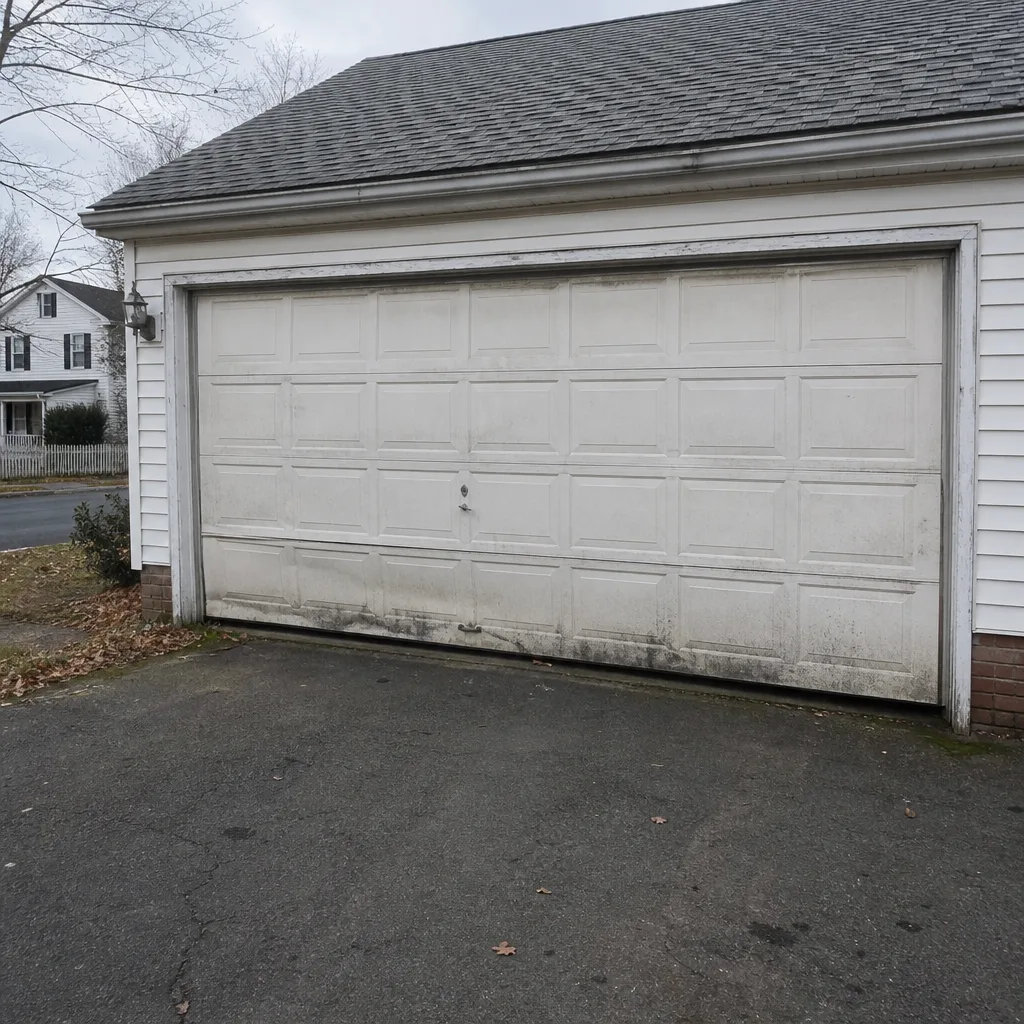 Before
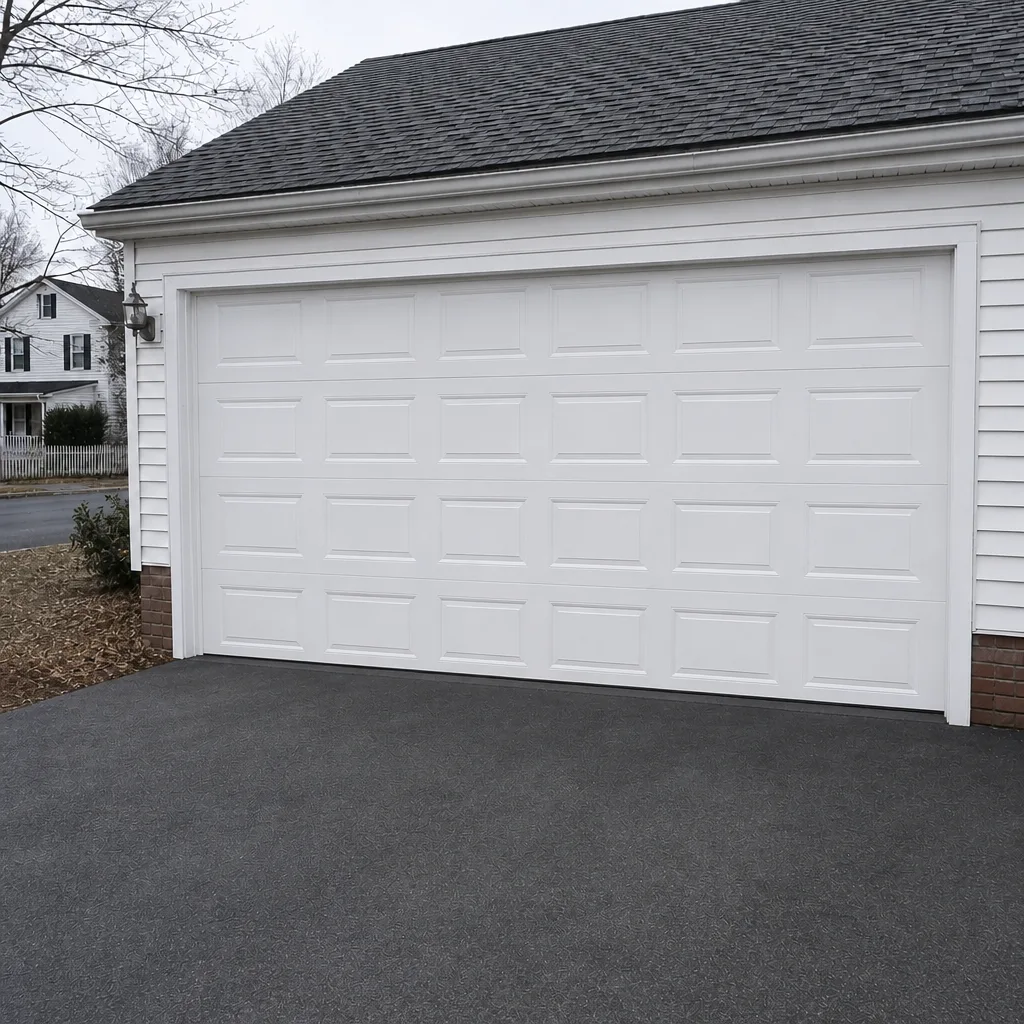 After
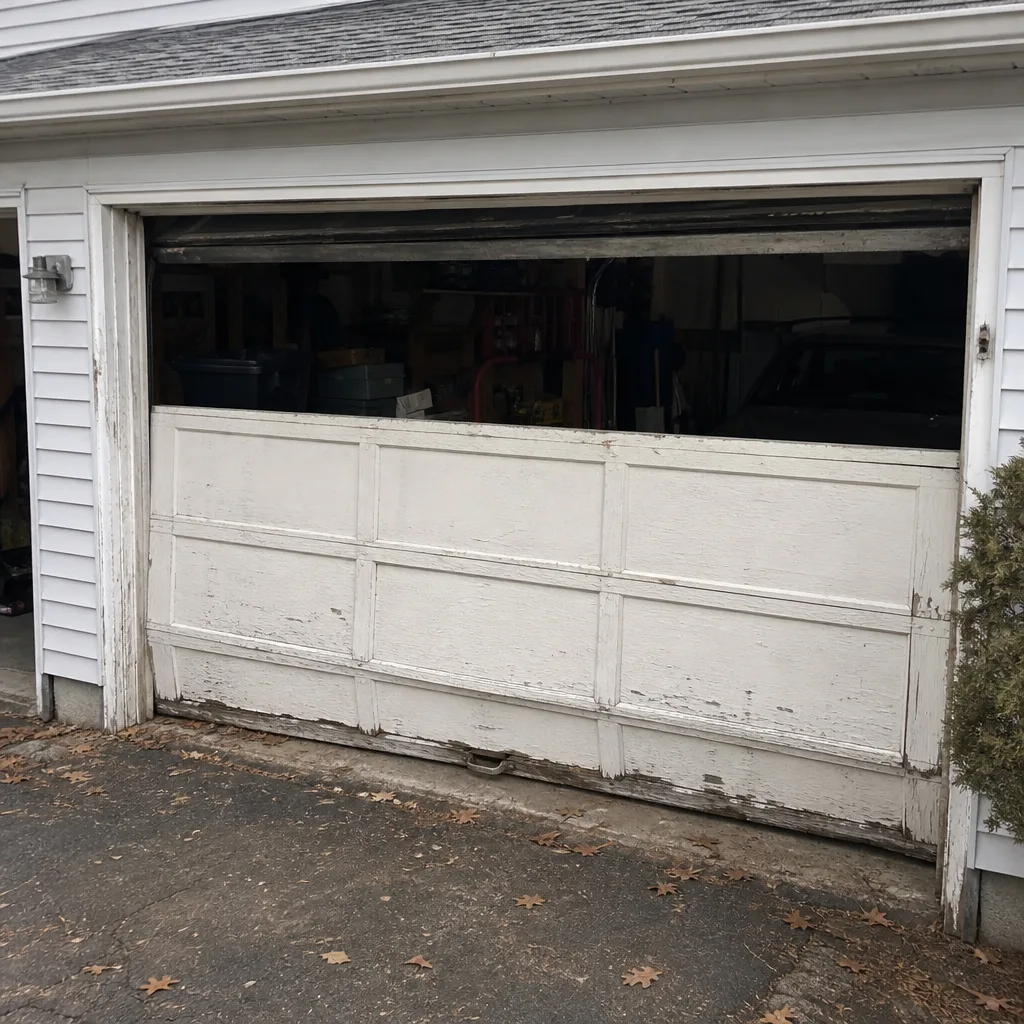 Before
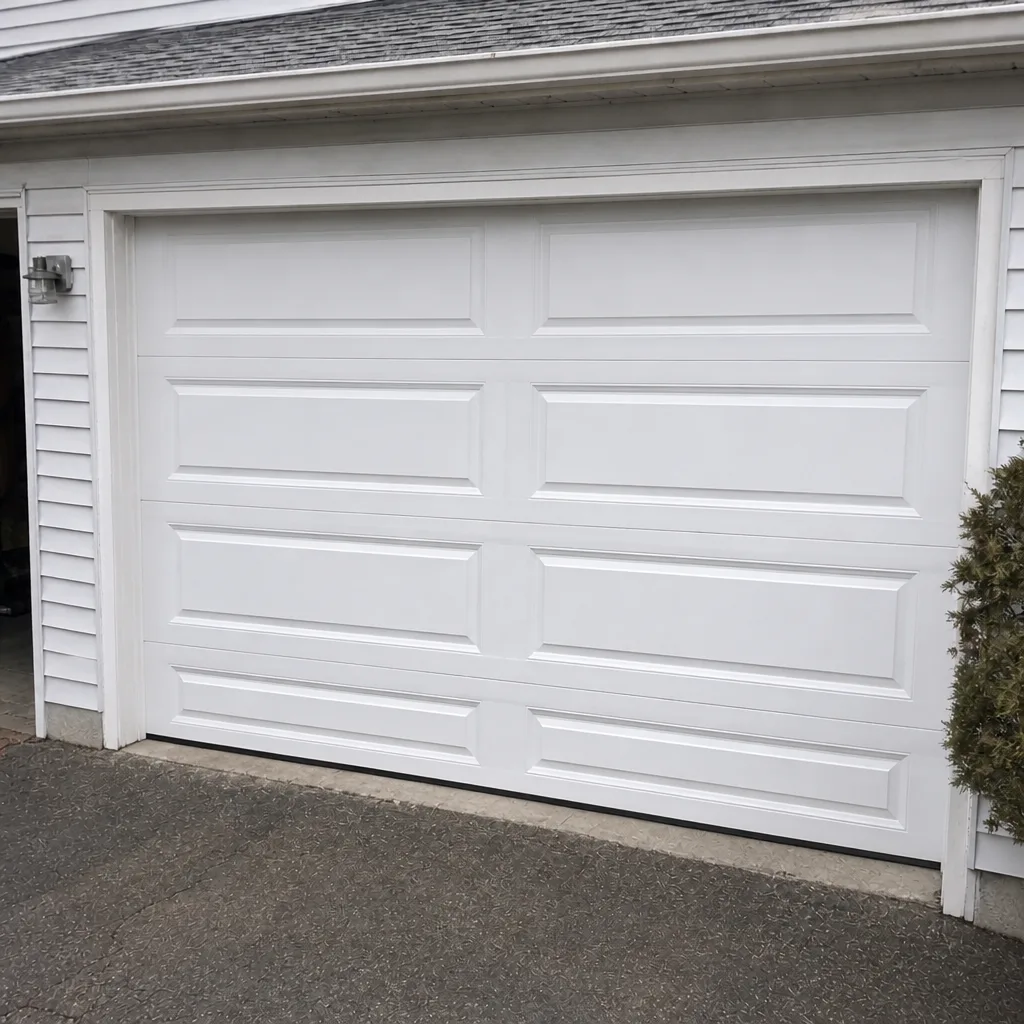 After
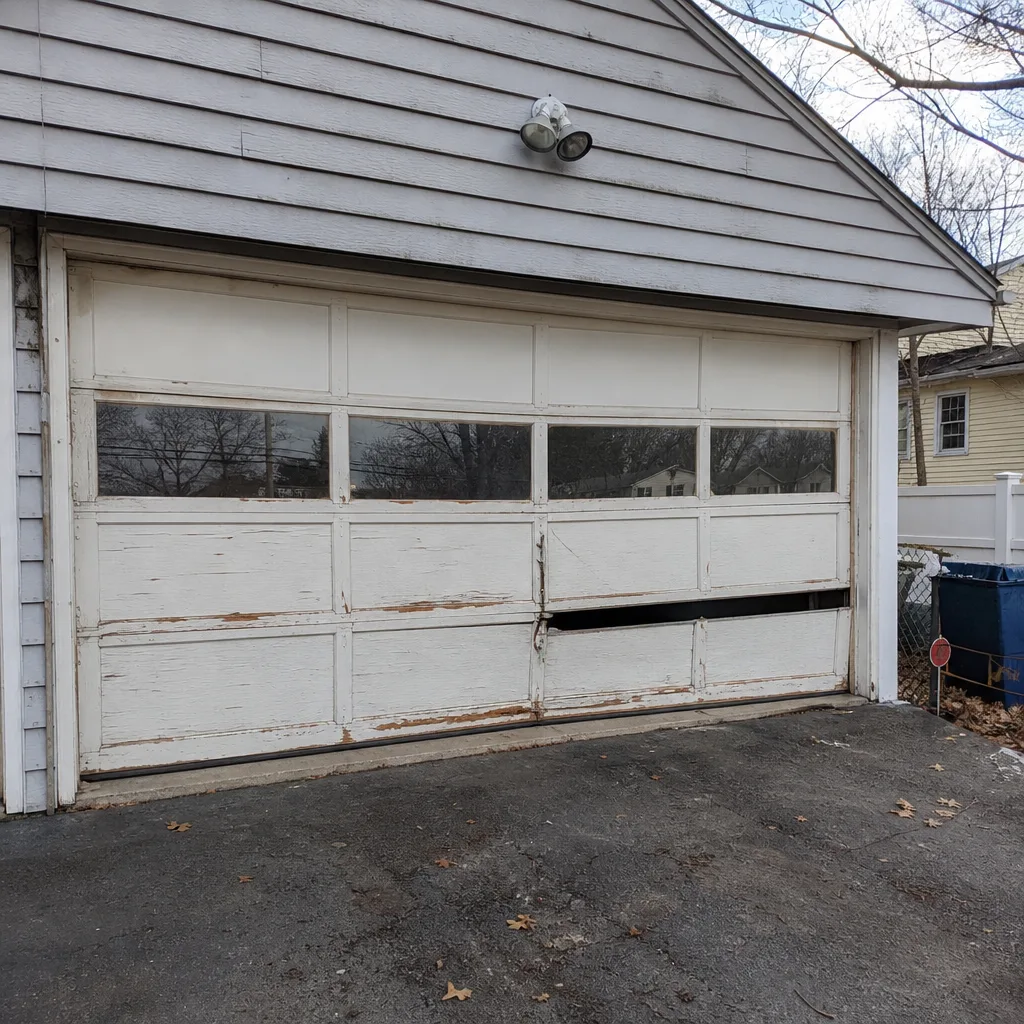 Before
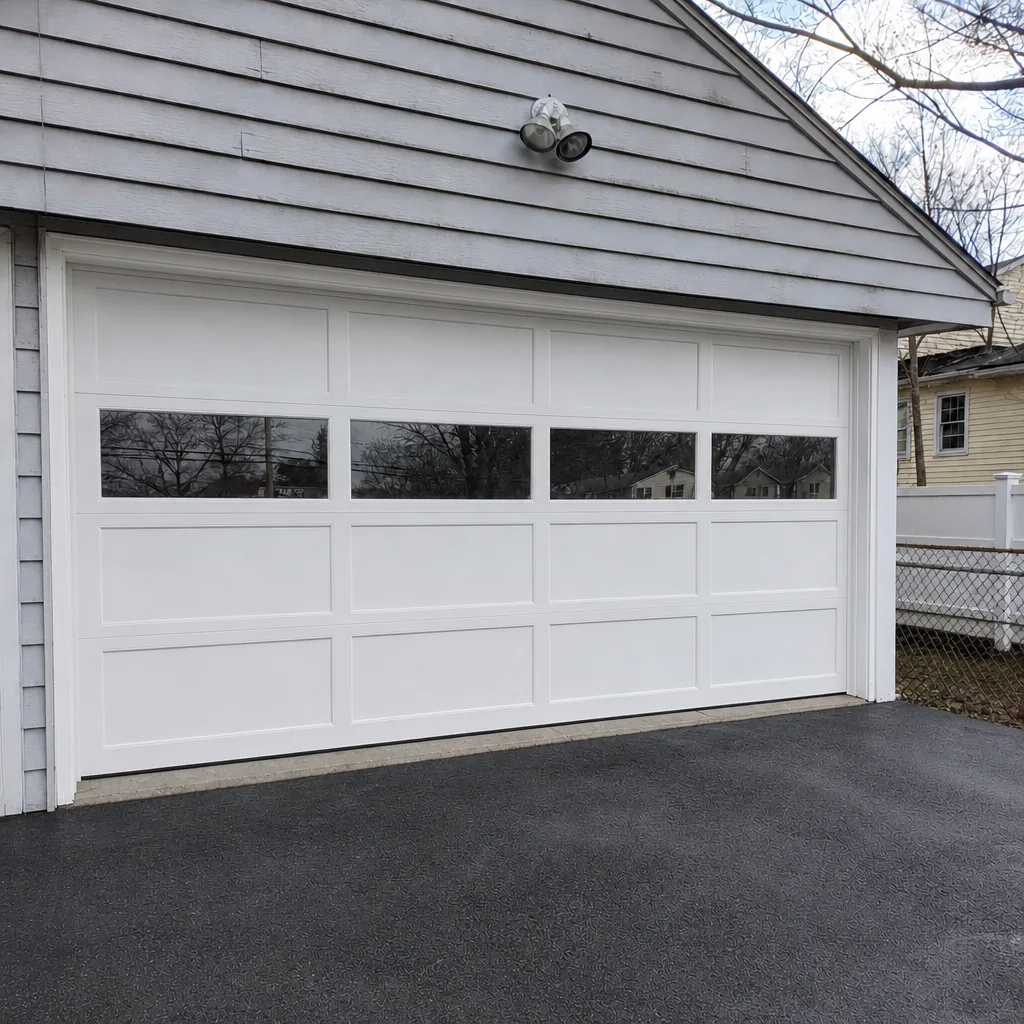 After
When to Call a Professional
Call a professional when the door won’t open or close, when a spring or cable has visibly failed, when the door is off its track, when the opener runs but the door doesn’t move, or when a storm has left a panel or track damaged enough that the door cycles unevenly. Call when you’re not sure whether the door is safe to operate – it’s better to have a technician look than to guess. And call before any repair that involves springs, cables, or the torsion assembly; those parts require training and tooling and should never be adjusted by a homeowner. Meriden Garage Door Repair Pros offers free estimates in Meriden – call (855) 294-4551. We answer 24/7. Fast dispatch from 7am to 7pm, Sunday through Friday.
Frequently Asked Questions
Pull the release cord – usually red or yellow – that hangs from the trolley on the opener rail, then lift the door by hand. The procedure is the same on chain, belt, and screw drive openers, though you may need to nudge the door slightly to break the trolley loose on a screw drive. Hold the door with one hand while you pull so it doesn’t drop if the springs are weak. If the door won’t lift after the release, don’t force it – call (855) 294-4551, and a technician can determine whether a spring or a cable has failed.
Yes, in most cases. Spring failures are one of the most common emergency calls we take, and same-day service is available when you call early enough in the day. Call (855) 294-4551 with the door width and the opener brand ready; we answer 24/7, and fast dispatch runs 7am-7pm, Sunday through Friday. A call outside that window is booked into the next opening. Once the technician is on-site, the price is set by the written estimate before any work starts.
The price is set per job by a free written estimate – the estimate itself doesn’t cost anything, and the written estimate is the final price. The cost depends on what failed: spring replacement, cable replacement, track repair, opener repair, or panel replacement all have their own line items. We’ll quote it after we’ve seen the door, before anything begins. Call (855) 294-4551 for an exact quote. Estimates are free.
Keep everyone clear of the door, do not lift it by hand, and do not run the opener or pull the manual release. A snapped cable means the door may drop or come off its track, and unplugging the opener or taping off the wall button prevents a family member from cycling it by accident. Call (855) 294-4551 immediately – a cable snap is one of the few calls we’d rather have right away than wait on. Do not try to re-spool the cable or cut the broken one off yourself.
No surprise costs – if the written estimate covers what we see on arrival, that’s the price. If the technician discovers additional damage underneath the initial problem (a bent track, a fatigued second cable, or a panel that’s compromised), we’ll show it to you and issue a revised written estimate before any additional work begins. Nothing gets charged without your approval on a written quote. Call (855) 294-4551 for a free estimate.
The local pro who arrives is licensed and insured as their state requires. We connect Meriden homeowners with vetted local professionals who work on the specific brand systems common in the area – LiftMaster, Chamberlain, Genie, Clopay, Amarr, Wayne Dalton, Craftsman, and Raynor. If you have a question about credentials on a specific job, ask when you call (855) 294-4551.
Pull the manual release and lift the door by hand. On chain, belt, and screw drive openers, the release is a cord or small lever connected to the trolley on the rail. Hold the door with one hand, pull the release, then lift. If the door lifts and stays up, drive the car out. If it drops back down, the springs have lost tension – don’t force the door and call (855) 294-4551 to book an opener or spring repair. We answer 24/7, and fast dispatch runs 7am-7pm, Sunday through Friday.
The Bottom Line
Garage door emergencies in Meriden follow a handful of predictable patterns, and the difference between a five-minute fix and a five-hour wait usually comes down to three things: knowing where the manual release is, knowing how to brace a door with a failed spring, and knowing when to stop touching the door and call. The three procedures in this guide – manual release, spring bracing, storm triage – cover the majority of what we see. After that, it’s a repair job for a trained technician. Springs, cables, and torsion assemblies should never be adjusted with homeowner tools. If you’re not sure whether a door is safe to run, the answer is to have someone look. Build the kit, learn the release, and keep the number posted inside the garage.
Call Meriden Garage Door Repair Pros at (855) 294-4551 for a free estimate. We answer 24/7. Fast dispatch from 7am to 7pm, Sunday through Friday. Whether it’s a broken spring, a stuck door at 7am, an opener that won’t respond, or a full new-door installation, we work on the brand you already have.
Written by the team at Meriden Garage Door Repair Pros.